Summary
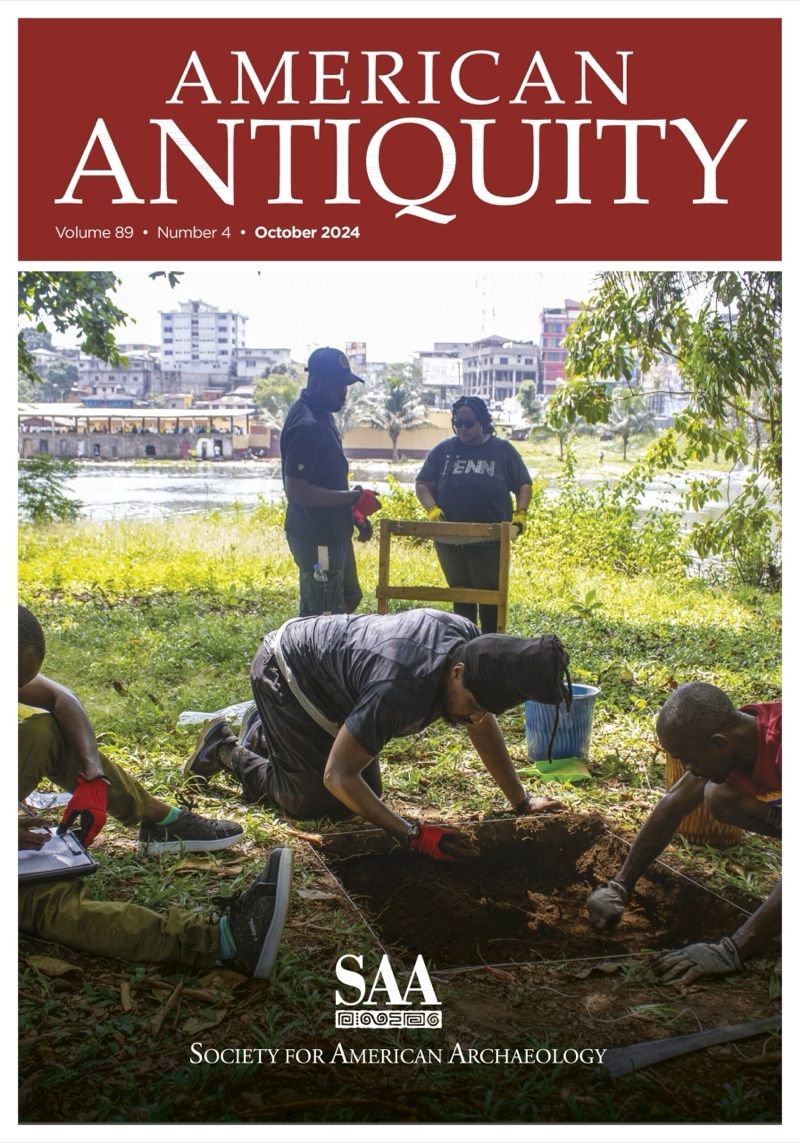
The 2022 bicentennial of Black American arrival on Liberian shores prompted new debates over how Providence Island should be publicly remembered. This article draws on BAHA fieldwork begun in 2019 to examine the island beyond the mythic 1822 encounter, offering a more inclusive account of the site as a public heritage space.
Focusing on deposits that predate, coincide with, and follow 1822, the article shows how freedom-making and Black Republicanism were materially contested from past to present. It argues that the binary of pre- and post-settlement fails to capture the actual complexity of Liberian pasts that unfolded on the island.
A scientific chronology for the fieldwork
The 2026 luminescence dating study develops this research through analysis of sediment and ceramic samples from the 2022 field season. It adds evidence for deposits predating 1822 and examines an older sherd whose relationship to the island’s occupation history calls for further investigation.
Source Links