
Overview
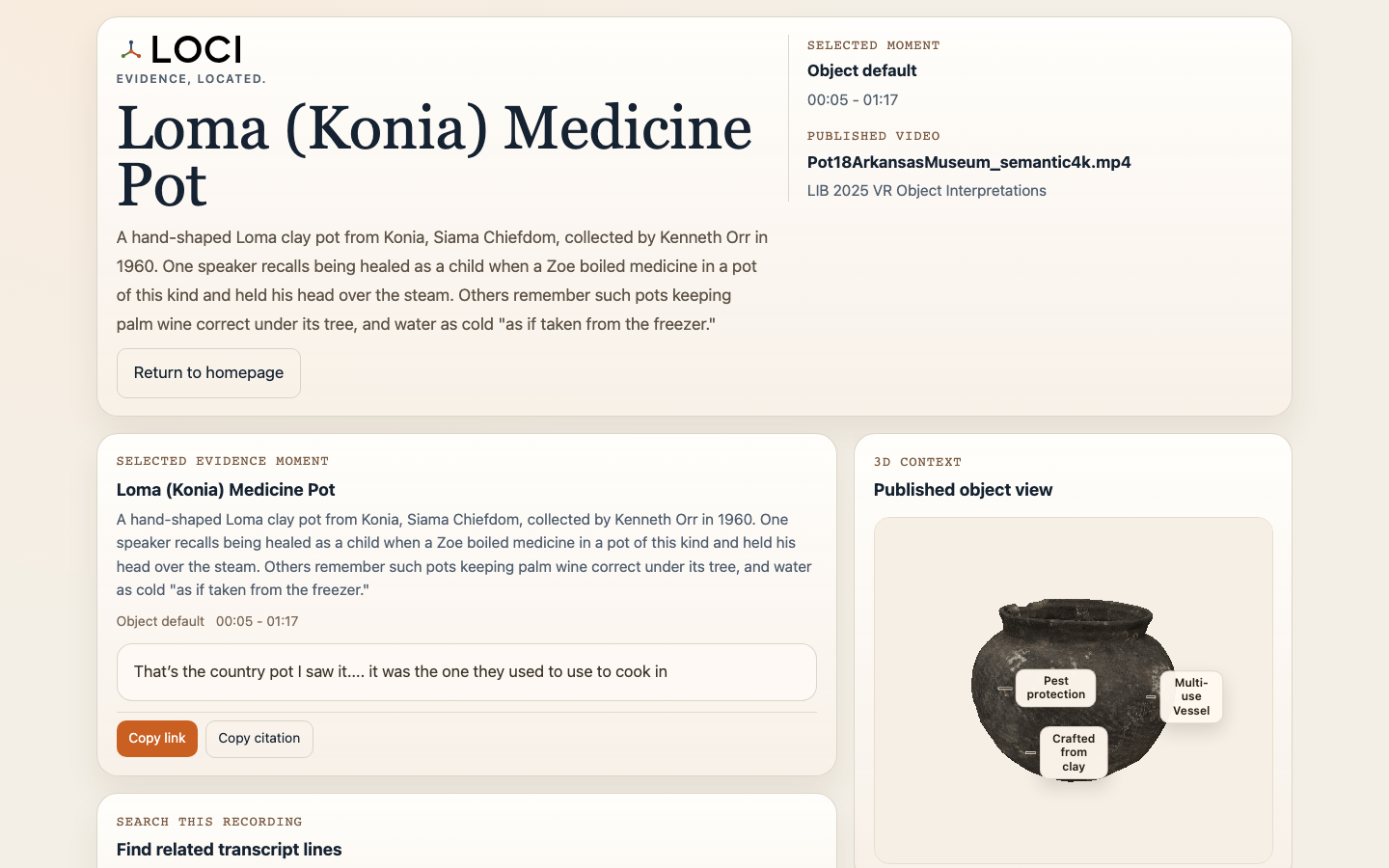
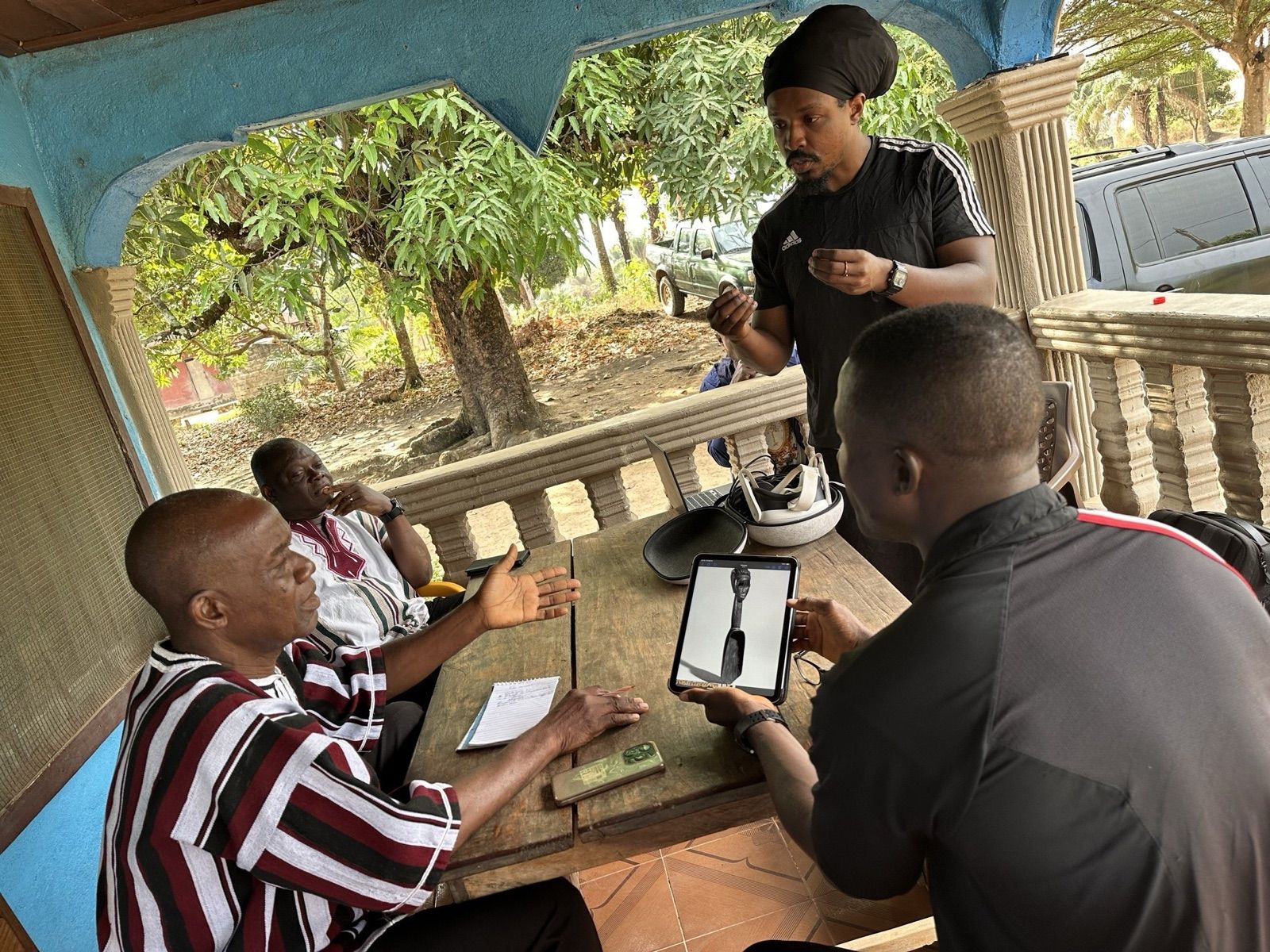
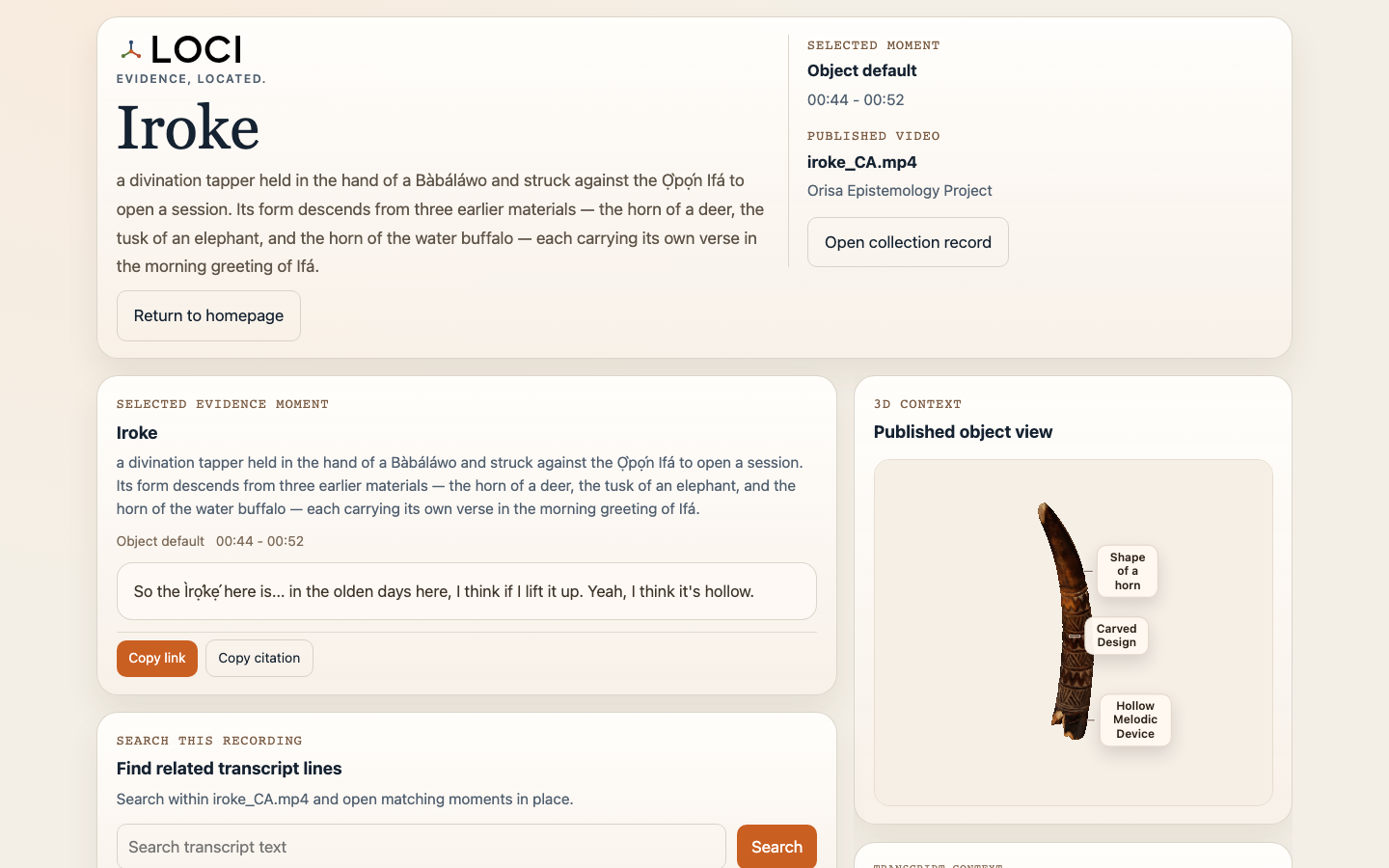
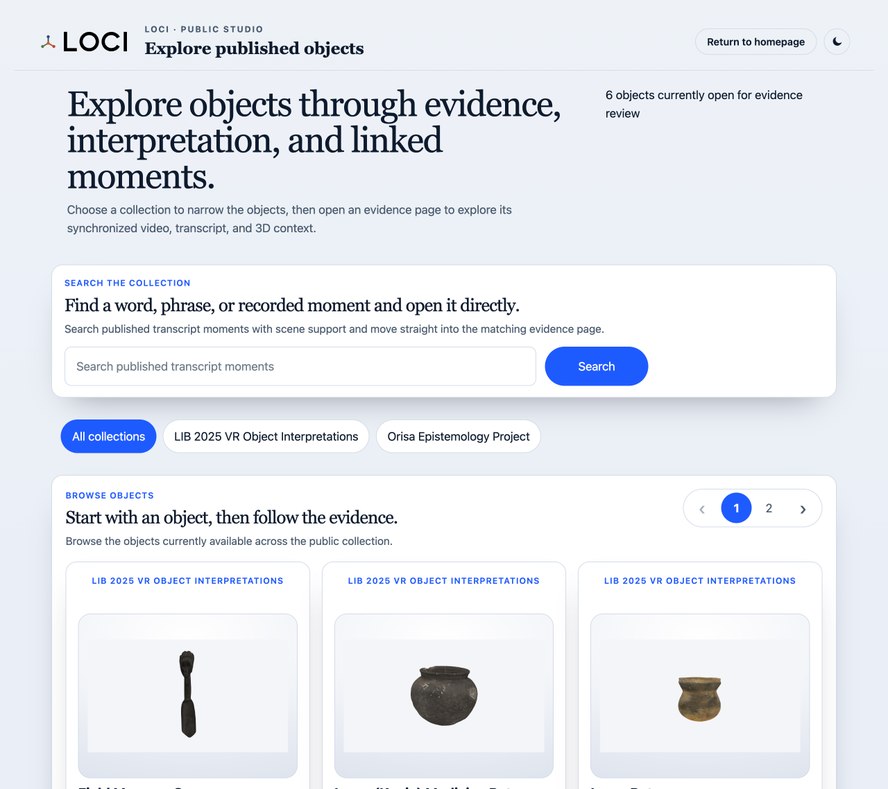
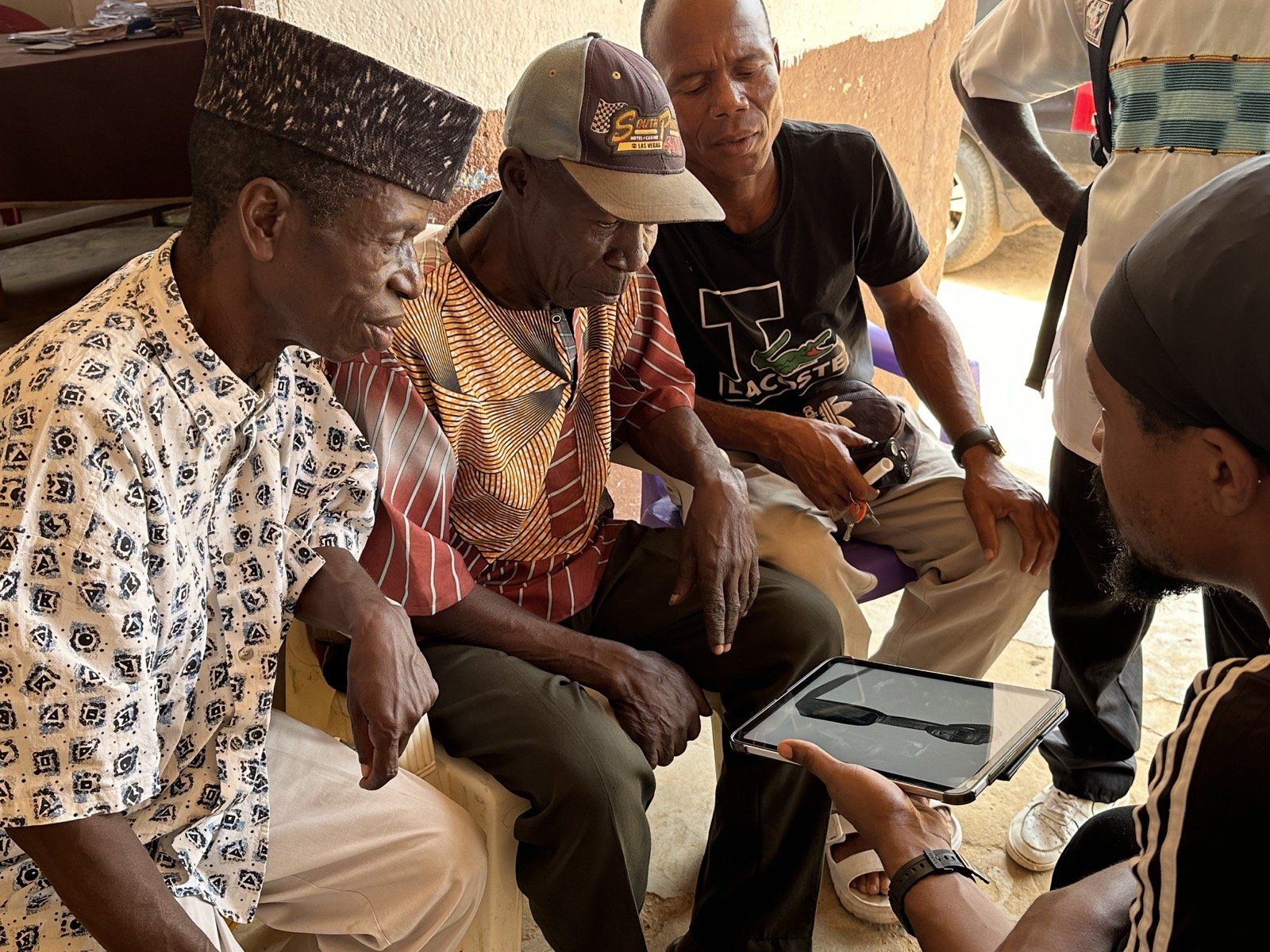
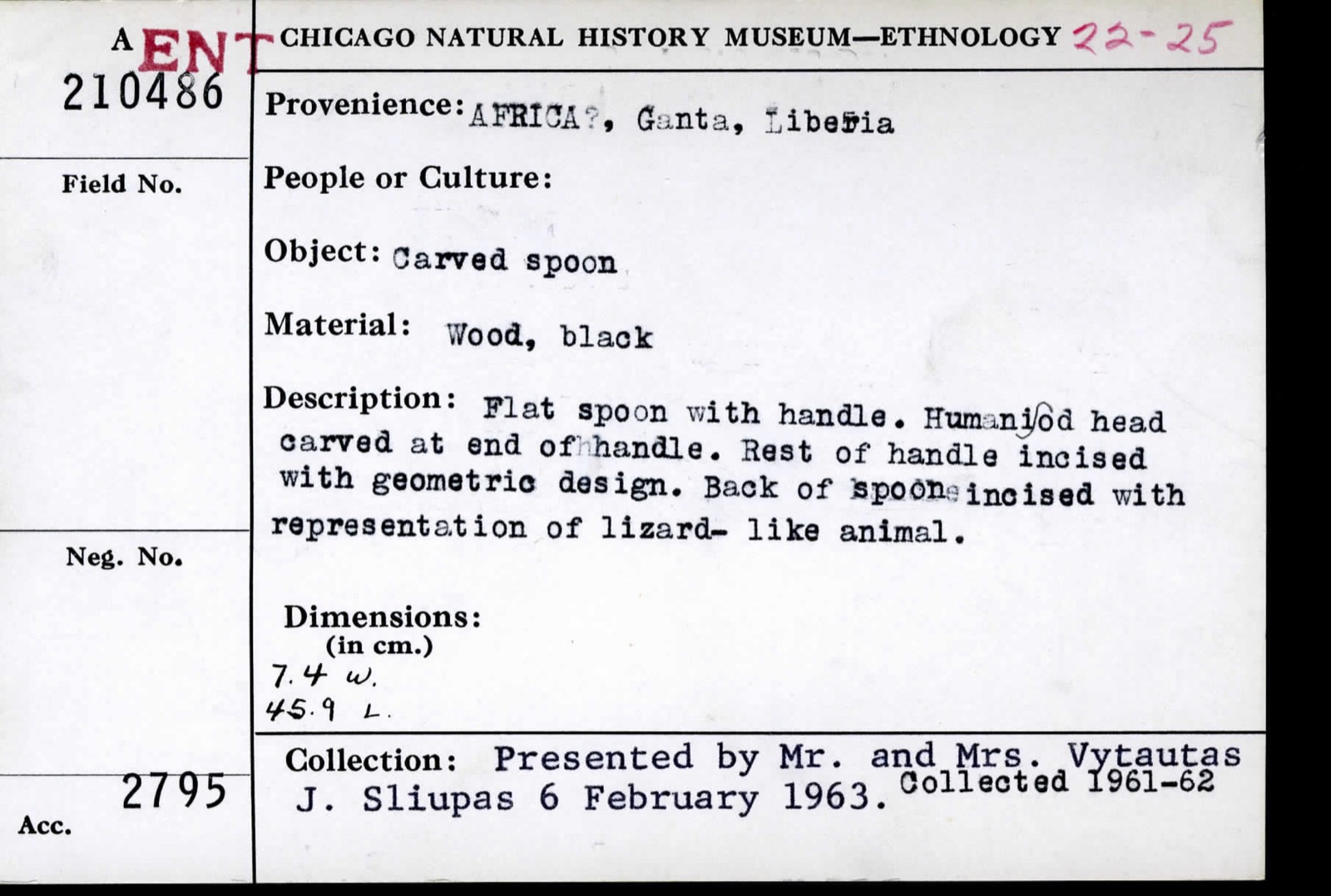
Loci connects 3D objects with video interpretations, timed transcripts, spatial annotations, and citations. It grew from VR-supported fieldwork in Liberia and collection stewards’ need to carry community knowledge into research, teaching, and exhibitions. I developed it during my residency in Northwestern IT’s Emerging Technologies Lab.
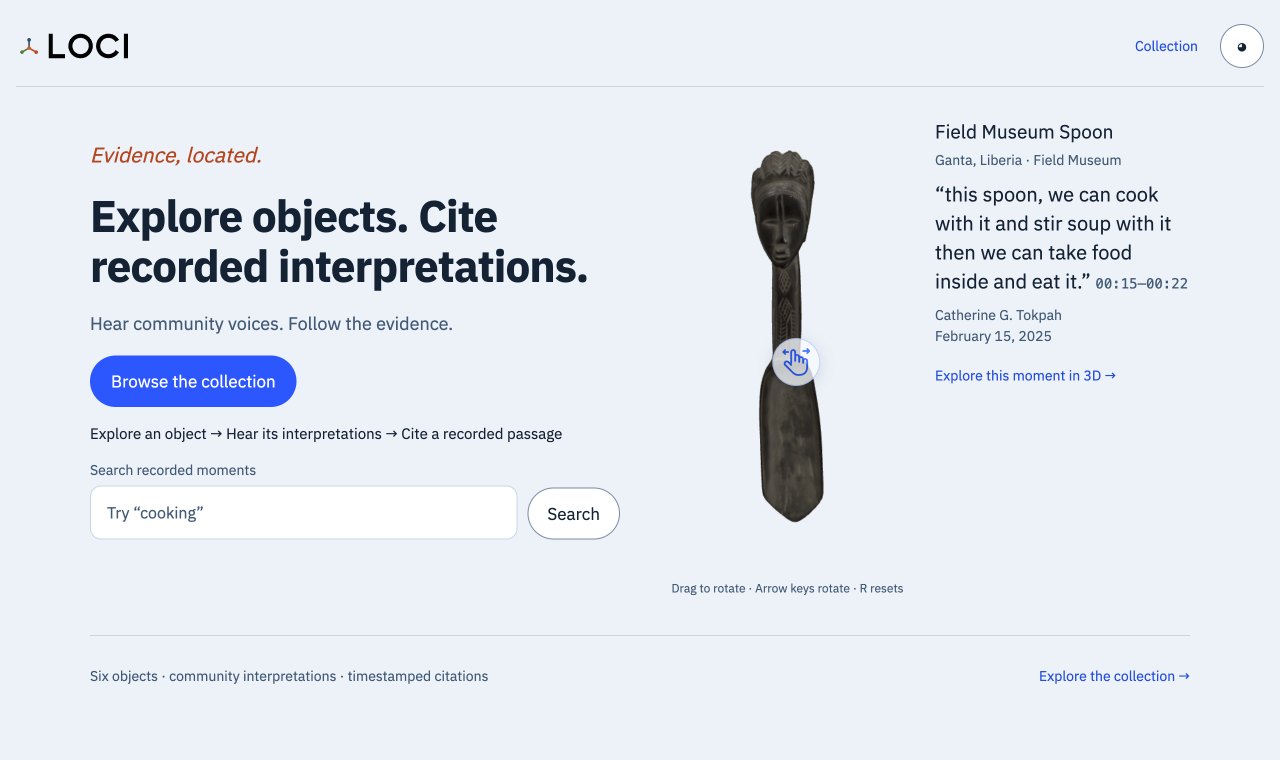
The hosted research collection presents six objects with linked interpretations and searchable transcripts. Its refreshed homepage pairs community voices with timestamped evidence links; object pages connect model annotations, recorded passages, and citations. The 50-second research walkthrough, recorded and edited by Unlock Digital, shows this reading workflow. Building Loci tells the research story behind the platform.
Open-source software and a reproducible demo
I develop and maintain the public 3dhlab/loci source repository. Its original software, documentation, and generated demonstration assets are available under Apache 2.0. Collection media, contributor materials, and the hosted walkthrough carry separate permissions. The public software release and hosted research collection have their own development and deployment histories.
The Docker demonstration connects a generated model, video, transcript, and annotations. Its optional visual console supports placing a model pin, previewing a recorded range privately, and publishing an individual annotation; the 3D Humanities Lab’s authoring walkthrough shows that sequence. See the latest software release, software citation, and contribution guide for continued use and development.